Safe Driving in Monsoon India: Flooded Roads, Hydroplaning, Night Rain and NCR Underpass Risks
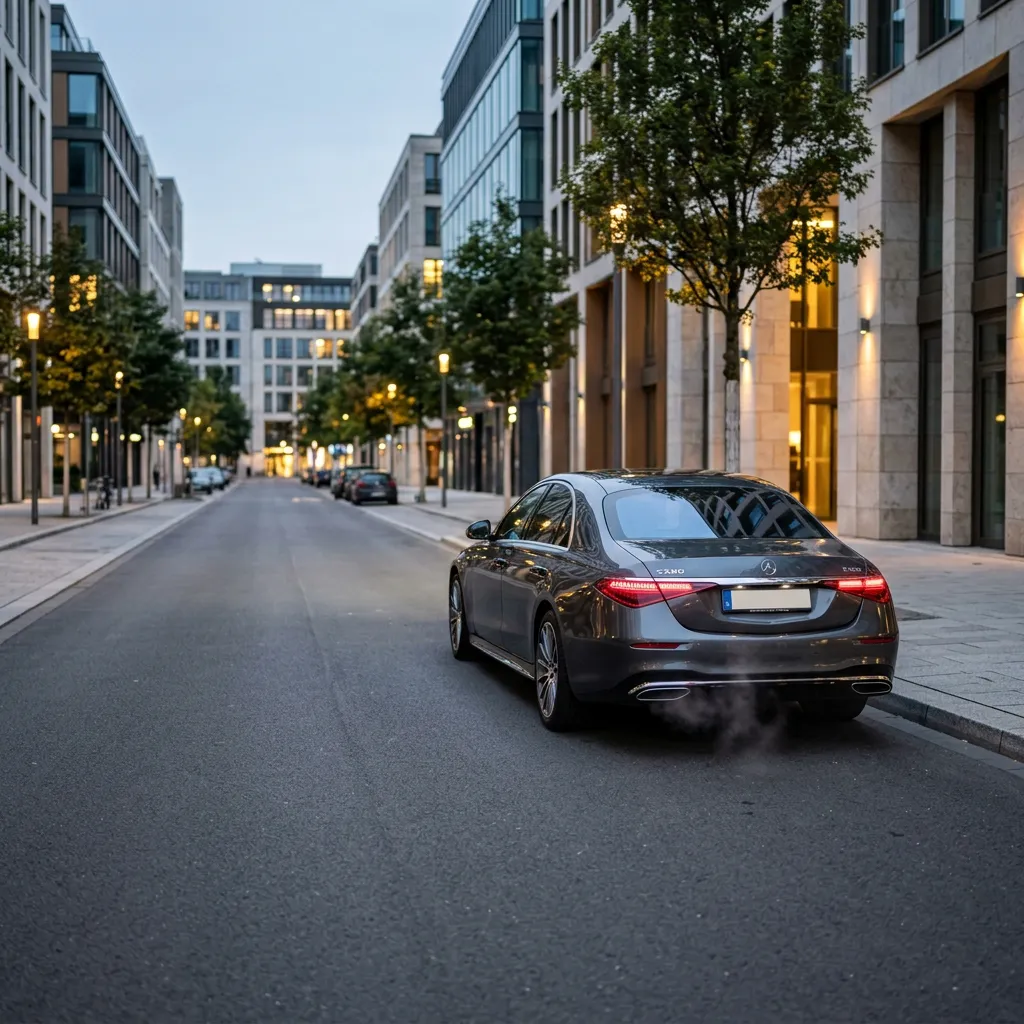
Every year during India's monsoon, the same accidents repeat: cars stalled in flooded underpasses, multi-car pileups on rain-slicked highways, vehicles stuck in standing water on arterial roads. The drivers involved did not make reckless decisions — most were simply doing what they always do, without adjusting for conditions that are fundamentally different from dry road driving. This guide covers what those conditions actually require: the exact depth rule for flooded roads, why NCR underpasses are specifically dangerous in a way that a ramp-side look cannot reveal, what hydroplaning means for your steering and brakes, and how to handle night rain on Indian roads safely.
The standard depth rule for flooded roads is: ankle depth (approximately 15 cm) is the maximum depth for attempting a crossing, and only at idle speed in first gear. Knee depth (approximately 30 cm) is the threshold at which you turn around regardless of how many other cars you have seen cross. At 30 cm, water can enter the air intake of many Indian hatchbacks — the air filter box on models like the WagonR, Baleno, and Tiago sits between 25–35 cm from the road surface. Once water reaches the intake, the engine hydro-locks: water cannot be compressed like air in the combustion chamber, so the connecting rods bend and the engine requires rebuilding. This is an ₹80,000–₹2,00,000 repair that happens in seconds.
The specific hazard at NCR underpasses — Minto Bridge, Pul Prahladpur, Zakhira underpass, and dozens of others on Delhi's road network — is that the entry ramp always shows shallower water than the deepest point. Underpasses follow the road grade, which slopes down from both entry points to a low point in the middle. Water accumulates at that low point. A driver approaching the ramp sees, say, 15 cm of water — ankle depth, seemingly crossable — but the midpoint of the underpass may hold 45–60 cm of water, which is well above the danger threshold. Every monsoon season, cars and auto-rickshaws are submerged mid-underpass by drivers who judged depth from the ramp. The only correct rule: if you cannot see the full road surface across the underpass, do not enter. Wait for the water to recede or take an alternate route.
Hydroplaning occurs when a tyre's contact patch encounters more water than the tread can channel away. At highway speeds, water accumulates in front of the tyre faster than it can be expelled through the tread grooves, and the tyre rides up on a film of water rather than making contact with the road surface. The driver feels the steering go suddenly light — there is no resistance because the tyre is no longer in contact with the road. At the same moment, braking becomes ineffective because there is nothing to brake against.
This typically occurs above 80 km/h on tyres with tread depth below 3 mm, or on any tyre in pooled water deeper than the tread can channel. The correct response is to ease off the accelerator gently — not suddenly, not sharply — and hold the steering wheel straight without correction. Do not brake. Do not steer in the direction of drift. As speed reduces, the tyres will regain contact with the road surface. A sudden brake or steering input while hydroplaning causes the car to spin. Once grip is restored, resume normal control. The entire event usually lasts 1–3 seconds if handled correctly; it can last longer and result in a spin if the driver reacts incorrectly. On our tyre care monsoon guide, we cover exactly what tread depth is required to resist hydroplaning in Indian monsoon conditions.
The standard following distance of 3 seconds on dry roads needs to double to a minimum of 6 seconds in rain. Wet roads increase stopping distance significantly — at 80 km/h, a car on wet tarmac requires approximately 40–50% more distance to stop than on a dry surface. In heavy rain on an Indian highway, where trucks often brake suddenly for speed bumps, dividers, or stalled vehicles ahead, the consequences of a 3-second gap are a rear-end collision. On roads with loose gravel, standing water, or pot-holes obscured by rain water, the gap needs to be longer still. The easiest way to maintain distance is to pick a roadside reference marker and count seconds after the vehicle ahead passes it — your vehicle should cross the same marker no fewer than 6 seconds later.
The instinct in heavy night rain is to turn on high beams for maximum visibility. This is the wrong choice. High beams project forward at an angle that illuminates the curtain of rain in front of the car, creating a white glare wall that reflects back into the driver's eyes. The result is reduced forward visibility, not increased. Dipped headlights (low beams) project light forward and downward onto the road surface — they cut through rain without reflecting off the rain drops because the beam angle is below the rain curtain. In any rain heavy enough to require wipers on high speed, use low beams.
The secondary night rain risk on Indian roads is pedestrians without reflective gear crossing arterial roads in the dark. In monsoon conditions, a pedestrian dressed in dark clothing on an unlit road section is nearly invisible on low beams until they are within 15–20 metres. Monsoon also brings out pedestrians using umbrellas, which reduce their own peripheral vision and make them slower to react to approaching vehicles. The correct response is to reduce speed below what feels necessary — on an unlit single-lane road in heavy rain at night, 40 km/h is a reasonable maximum, not 60.
Overtaking a heavy truck in rain on a national highway creates a specific hazard that dry road driving does not: the truck generates a bow wave of spray 10–15 metres wide on each side as it moves at highway speed. When you pull alongside to overtake, your windshield and side windows are drenched with spray from the truck's rear tyres, temporarily creating near-zero forward visibility. This 3–5 second window of spray is sufficient for an obstacle ahead to go unseen until it is too late to brake. On a highway where trucks move at 60–70 km/h and overtaking vehicles move at 90–100 km/h, this is a real collision risk.
The safe overtake in rain: ensure the road ahead is fully clear for at least 500 metres before initiating the overtake, accelerate through the overtake at maximum safe speed to minimise time alongside the truck, and do not ease off speed while passing — maintain pace through the spray window. Once fully past, resume normal speed. Avoid overtaking trucks in rain on two-lane undivided highways where oncoming traffic is unpredictable. On four-lane divided highways, the overtake is significantly safer because oncoming traffic is eliminated as a variable.
After driving through standing water — even shallow water at the ankle depth threshold — your brakes need to be dried before they perform normally. Water on the brake disc surface acts as a lubricant between the disc and the brake pad, significantly increasing stopping distance for the first few braking applications. The technique to dry disc brakes: once you are through the water and on dry road, apply gentle, consistent brake pressure for 2–3 seconds while at slow speed (20–30 km/h). The friction between pad and disc generates heat that evaporates the water film. After 1–2 such applications, braking should feel normal. Test brakes deliberately and safely before relying on them in a higher-speed situation.
Drum brakes — found on the rear axle of most Indian hatchbacks (WagonR, Swift, Alto, Tiago, Baleno) — dry more slowly than disc brakes because water can pool inside the drum. If your car has drum rear brakes, expect slightly longer stopping distances after water crossings and allow more following distance until the brakes have normalised through a few applications. If braking feels noticeably asymmetric after a water crossing (the car pulls to one side), the brakes may need checking — pull over safely and apply the brakes several times at very low speed before resuming normal driving.
For the mechanical side of monsoon preparedness, see our complete car fluids monsoon checklist and tyre care guide. The car can only perform as well as its condition allows — the best driving technique with bald tyres or degraded brake fluid does not compensate for the hardware.
Ankle depth (15 cm) maximum — cross at idle speed in first gear without stopping. Knee depth (30 cm) or above — do not enter. At NCR underpasses, the visible ramp water is always shallower than the lowest midpoint — if you cannot see the road surface across the full span, wait or turn around.
Ease off the accelerator gently. Do not brake suddenly. Do not steer. Hold the wheel straight until speed reduces and the tyres regain road contact. Sudden braking or steering while hydroplaning causes a spin. The event typically lasts 1–3 seconds if handled correctly.
No. High beams reflect off the rain curtain and create glare that reduces the driver's own visibility. Use dipped headlights (low beams) in heavy rain — they project downward onto the road surface where the light is actually needed. Switch to high beams only in light drizzle on an unlit empty road.
Apply gentle, steady brake pressure for 2–3 seconds at low speed. Friction dries the disc surface within 1–2 applications. Drum brakes take longer. If braking pulls to one side after a water crossing, apply brakes at very low speed repeatedly until feel normalises before resuming speed.
Related Blogs
Tyre Care in Monsoon India
Car Fluids Checklist for Monsoon
Pre-Monsoon Car Care Checklist
Top 5 Monsoon Car Care Mistakes
Monsoon Car Care for SUVs
Protect Car Underbody From Rust


