Pre-Monsoon Car Care Checklist 2026: 12 Things to Do Before the Rains
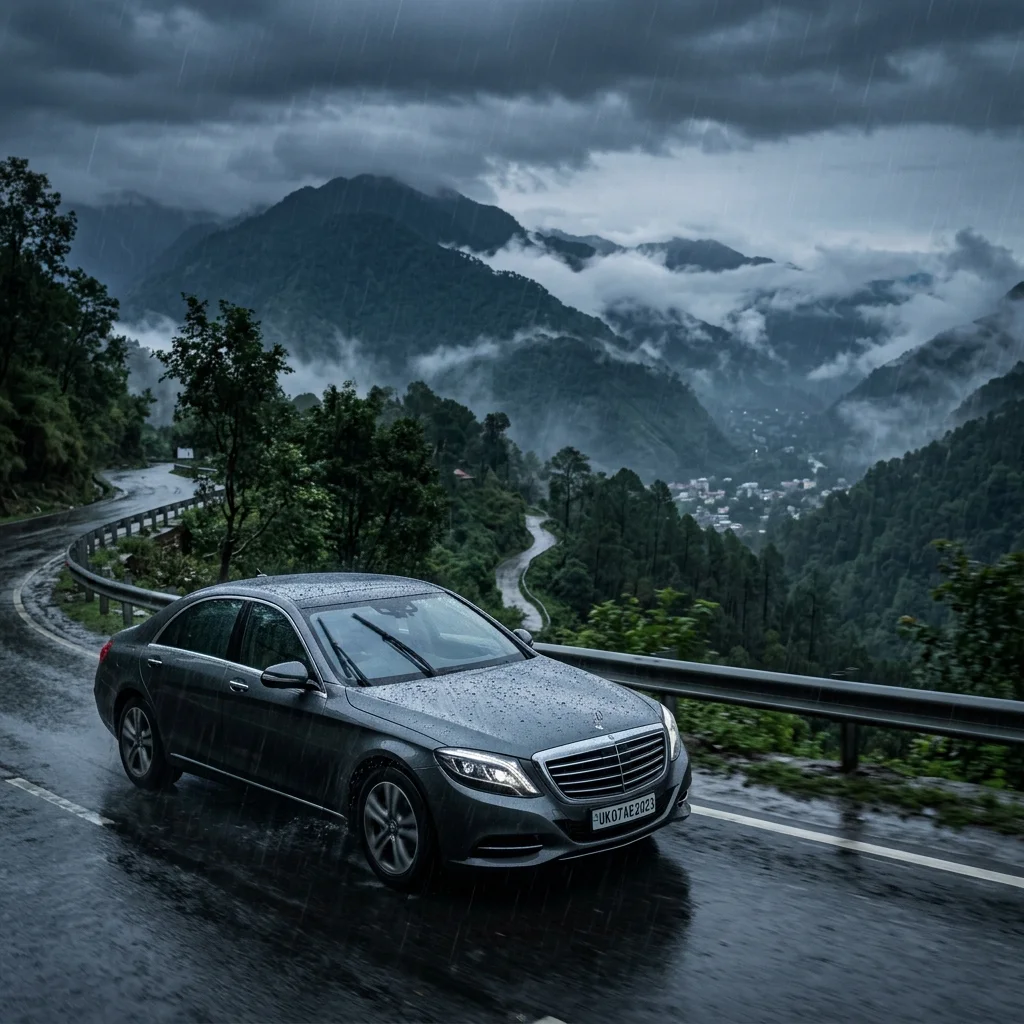
For most of North India, the monsoon is a welcome escape from the punishing summer heat — but for your car, the rainy season is one of the most damaging times of the year. Acidic rainwater, waterlogged roads across Noida and Gurgaon, slippery hill stretches around Dehradun, and weeks of trapped humidity can quietly wreck your paint, brakes, electricals and interiors. The monsoon typically reaches the Delhi-NCR region and Uttarakhand by the third or fourth week of June, which means the smartest time to prepare your vehicle is right now, in late May. Preparing before the first heavy shower is far cheaper than repairing rust, mould or electrical faults afterwards. Use this 12-point pre-monsoon car care checklist for 2026 to get your car monsoon-ready well before the clouds roll in — and once the season is underway, our ultimate monsoon car care guide will help you keep it protected.
Your wiper blades are the single most important safety feature once the rains begin, yet they are also the most neglected. After months of baking under the summer sun, the rubber edges become hard, cracked and warped — which is why they leave streaks and smears instead of a clean sweep. During a heavy monsoon downpour, that smearing can reduce visibility to almost nothing. Inspect both blades for splits and stiffness, and if they chatter or streak across the windshield, replace them now. Also top up the windshield washer reservoir and add a screen-wash solution so you can instantly clear the greasy film that the first rains lift off the road.
Dark monsoon clouds, fogging and heavy spray make it hard for other drivers to see you, so every exterior light needs to work flawlessly. Check your headlights on both low and high beam, plus the tail lights, brake lights, indicators, reverse light and — critically — your fog lamps. Replace any dim or fused bulbs and clean the lenses, as oxidised, yellowed headlight covers can cut your light output dramatically. Properly working lights are not just a legal requirement; in low-visibility monsoon traffic on the Delhi-NCR expressways or the winding roads near Mussoorie, they are genuinely life-saving.
Bald tyres and wet roads are a deadly combination. Tyre tread channels water away from the contact patch, and once the tread wears below 2-3 mm your car is at serious risk of hydroplaning — skidding helplessly on a thin film of water. Check the tread depth across all four tyres (the built-in tread-wear indicators make this easy) and replace anything close to the limit before the roads turn slick. Set the correct tyre pressure as well, always following your manufacturer's recommended figures, and do not forget to inspect the spare. Good tyres are your only real grip when the surface is flooded.
Monsoon rain in industrial belts like Faridabad, Ghaziabad and Noida is mildly acidic and carries pollutants that etch and dull unprotected paint. A fresh coat of protection creates a hydrophobic barrier that makes water bead and roll off, carrying grime with it and reducing ugly water spotting. A quality polymer sealant lasts a few months and will comfortably see you through the season, while a professional ceramic coating offers far tougher, longer-lasting defence against acidic rain and contaminants. If you are unsure which is right for you, our guide on PPF vs ceramic coating breaks down the options. If your car's protection has worn thin over summer, now is the ideal moment to renew it.
Modern cars have hidden drainage channels — around the sunroof, beneath the windshield cowl, and at the bottom of the doors — designed to route rainwater safely away from the cabin. Over the dry months these channels quietly collect leaves, dust and debris, and a single blocked drain can cause water to back up and leak into your footwells, carpets or electrical modules. This is one of the most common and most expensive monsoon problems, and it is completely avoidable. Gently clear each drain channel before the rains so water always has a clear path out of your car, never into it.
The monsoon brings relentless humidity, and your air conditioning does the heavy lifting of demisting the windshield and keeping the cabin dry. Make sure the AC cools well and, just as importantly, clears fog from the glass quickly. A clogged cabin air filter or a mould-ridden evaporator will leave you with a musty smell and weak airflow exactly when you need clear vision most. Check the engine coolant level and condition too — monsoon traffic jams mean long spells of idling, and a healthy cooling system prevents overheating while you crawl through waterlogged streets.
The underbody of your car takes the worst of the monsoon — constant spray, muddy water and weeks of staying damp. Any existing scratches, stone chips or patches of exposed metal will start to rust quickly once moisture sits on them day after day. Inspect the underbody and wheel arches for paint damage and surface rust, and consider a professional underbody anti-rust treatment that seals the metal against water. Treating a small spot now is quick and inexpensive; ignoring it through a single monsoon can let surface rust grow into structural corrosion that is far costlier to repair.
The rubber weatherstripping around your doors, windows and boot is what keeps rainwater outside the cabin. Months of summer heat dry out and shrink this rubber, creating tiny gaps where water can seep in — leading to damp carpets, fogged-up windows and that unmistakable musty odour. Run your fingers along each seal to check for cracking, hardening or sections that no longer sit flush against the body. Clean the seals and apply a rubber conditioner to keep them soft and pliable, so they form a tight, waterproof barrier once the heavy downpours begin.
Trapped monsoon humidity quickly turns a car's interior into a breeding ground for mould, mildew and bacteria — especially in fabric seats, carpets and footwell mats, where the damage usually starts unseen. Before the season begins, get the interior thoroughly deep-cleaned and dried, and consider switching to rubber floor mats that are easy to rinse and will not trap water. A professional interior dry-cleaning and sanitisation treatment removes existing moisture and odour-causing microbes, giving you a fresh, dry cabin that can stand up to weeks of damp weather.
Wet brakes are weaker brakes, and monsoon roads demand more stopping power, not less. Driving through standing water can leave brake components wet and temporarily reduce their bite, while worn pads simply cannot cope with an emergency stop on a slick surface. Have your brake pads, discs and brake fluid inspected before the season starts. If you hear squealing or feel a spongy pedal, address it immediately. Confident, responsive braking is non-negotiable when you are sharing waterlogged NCR roads with sudden stops, stalled vehicles and darting two-wheelers.
Monsoon driving puts a heavy load on your electrical system — headlights, wipers, AC blower, demister and horn often all run at once. A weak battery that barely survived the summer heat may finally give up under this strain, leaving you stranded in the rain. Have the battery's charge and terminals checked, clean off any corrosion, and make sure every connection is tight. Damp weather also worsens poor connections, so it is well worth getting any flickering lights or small electrical niggles diagnosed now, before they turn into a roadside breakdown.
Even a well-prepared car can run into trouble during an intense monsoon spell, so keep a small emergency kit in the boot. Useful items include a microfibre cloth and anti-fog wipe for the inside of the glass, a torch, a basic first-aid kit, the jack and a properly inflated spare tyre, a tow rope, and the contact numbers for roadside assistance. A waterproof phone pouch and a compact umbrella are simple additions that make a stranded moment far less miserable. A little preparation turns a monsoon emergency into a minor inconvenience.
Working through a 12-point checklist can sound daunting — but you do not have to drive from garage to garage to get it done, least of all in pre-monsoon heat or the first unpredictable showers. Carmaa's doorstep car care service brings monsoon preparation directly to your home or office across Dehradun and Delhi-NCR, including Noida, Gurgaon, Delhi, Faridabad and Ghaziabad. Our trained technicians handle the car-care essentials — exterior paint sealing and protection, underbody anti-rust treatment, interior deep-cleaning and sanitisation, AC vent treatment and a thorough pre-season inspection — using professional-grade products. Book a pre-monsoon spa package with Carmaa today and head into the 2026 rainy season with a car that is sealed, clean and ready for whatever the clouds bring.
The monsoon usually reaches Delhi-NCR and Uttarakhand by the third or fourth week of June, so late May to early June is the ideal window. Preparing before the first heavy shower lets you fix wipers, tyres, seals and paint protection calmly, rather than scrambling once the rains have already started causing damage.
Yes. Ceramic coating creates a hard, hydrophobic layer that makes rainwater bead and roll off, carrying dirt with it. It shields your paint from mildly acidic monsoon rain and pollutants, reduces water spotting, and makes the car much easier to clean through the season. A polymer sealant offers similar but shorter-lived protection.
Musty smells come from moisture and mould trapped in carpets, mats and upholstery. Deep-clean and fully dry the interior before the season, switch to rubber mats, keep the cabin air filter clean, and air the car out when possible. A professional interior dry-cleaning and sanitisation treatment removes odour-causing microbes at the source.
Absolutely. Rain is not a car wash — it leaves behind acidic residue, mud and grime that damage paint if left on. Regular washing during the monsoon, followed by proper drying, actually protects your car. A waterless or doorstep wash is convenient when the weather makes traditional washing impractical.
Yes. Carmaa is a doorstep service — our technicians come to your home or office across Dehradun, Noida, Gurgaon, Delhi, Faridabad and Ghaziabad with the equipment needed for paint protection, underbody treatment, interior sanitisation and a pre-monsoon inspection. You can book through the Carmaa app or website.
Related Blogs
Ultimate Monsoon Car Care Guide
PPF vs Ceramic Coating
Wash Your Car Before or After Rain?


