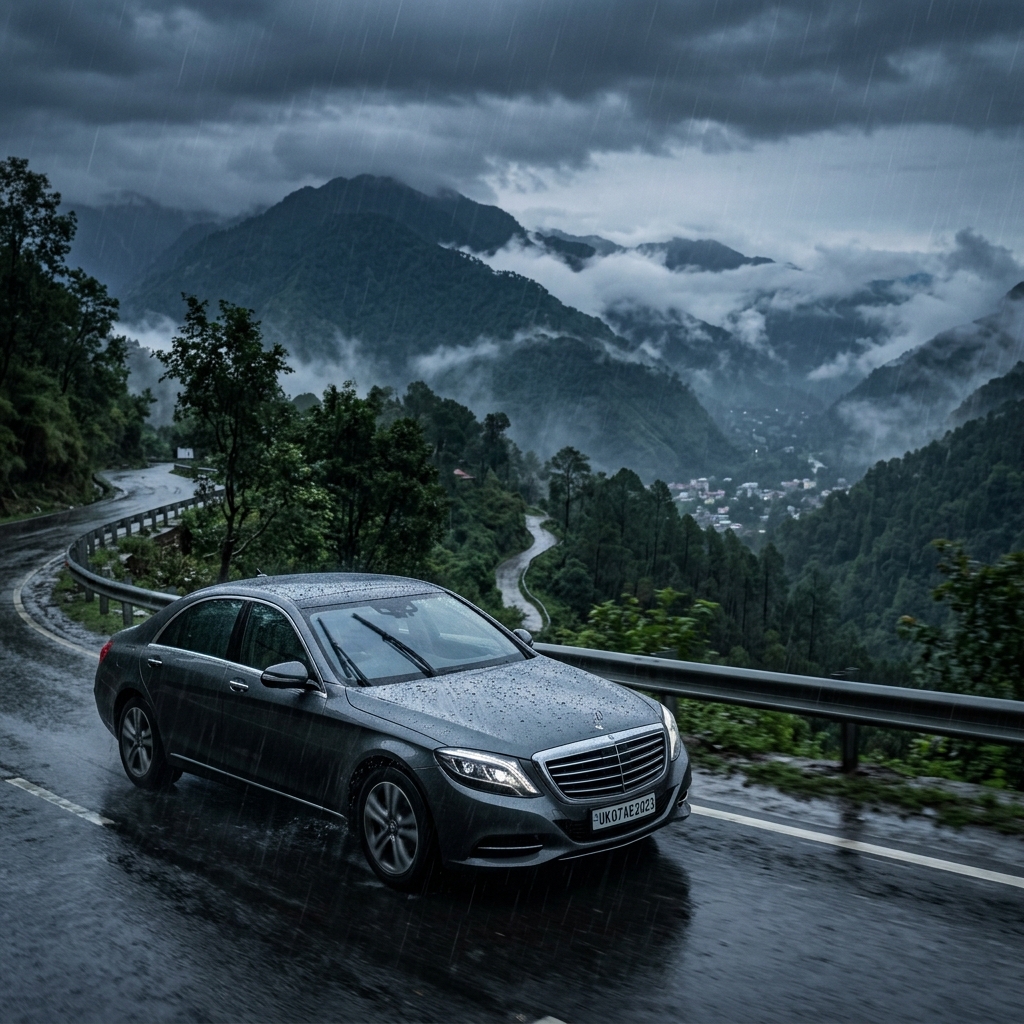
Here's the frustrating thing about rust: by the time you actually notice it, the fight is already half lost. You wash your car, you wax the paint, maybe you even get a coating done — and the whole time, the real trouble is happening on the part you never look at. The underbody. During the monsoon, your car spends weeks driving through standing water, wet mud, and the gritty runoff that collects on every road in Dehradun and across the Delhi-NCR belt. All of that sits in the nooks and seams under your car long after the rain stops. And metal that stays wet, eventually rusts. The good news is that underbody rust is almost entirely preventable — if you understand what's actually going on down there.
Rust is just an electro-chemical reaction — bare iron plus oxygen plus water equals iron oxide. The monsoon supplies the two ingredients your car can't avoid: constant moisture and time. When you splash through a flooded stretch of road, water gets thrown up into the wheel arches, the chassis rails, and the welded seams of the floor pan. These are exactly the spots that don't get sunlight or airflow, so they take days to dry. Add the fine silt and road grime that the rain washes loose, and you've got a damp, abrasive paste clinging to bare metal for weeks at a stretch. In hill areas around Mussoorie and the outer Dehradun roads, gravel and grit make it worse, chipping away whatever factory protection your car came with.
You don't need a lift to catch rust early — you just need to know where to look. A few honest minutes once a month goes a long way:
• Orange or brown staining around the wheel arches, sill edges, or the bottom of the doors.
• Bubbling or flaking paint near the lower body panels — that bubble is rust pushing up from underneath.
• A flaky, rough texture when you run a finger along the underside of the door sills.
• A faint metallic, damp smell inside the cabin after heavy rain, which can point to moisture sitting in the floor.
Catch any of these in the first season and it's a cheap fix. Ignore them for a year, and you're looking at panel replacement or welding.
Underbody rust protection (often called rustproofing or anti-rust coating) is a protective layer sprayed across the entire underside of your car — the floor pan, chassis members, wheel wells, and the hidden cavities inside the doors and sills. Think of it as a raincoat for the parts of your car that take the most punishment and get the least attention. A proper treatment does two jobs at once: it seals bare and exposed metal away from moisture, and it cushions the underbody against the stone chips and grit that strip protection away in the first place. Done well, it stays flexible, creeps into the seams where water hides, and quietly does its job for years.
This is where most DIY attempts and cheap roadside jobs fall apart. If you spray a coating over mud, salt, or existing surface rust, you've simply sealed the moisture in — and now it rusts faster, hidden under a layer you think is protecting it. A genuine rustproofing job always starts with a thorough underbody wash and degrease to get down to clean, dry metal. Any flaky rust is treated before anything is applied. It's the same principle behind every good detailing job: preparation decides the result far more than the product does. This is also why a regular full car detailing service that includes an underbody clean is one of the smartest monsoon habits you can build.
1. Rinse the underbody after flooded drives. If you've driven through standing water, a plain-water underbody rinse the next day washes off the silt and salt before it settles in.
2. Don't let your car sit wet for days. A car parked unused through a rainy week is more at risk than one that's driven and dried regularly. If you must leave it parked, choose a covered, ventilated spot.
3. Keep drain holes clear. Your doors and sills have tiny drainage holes at the bottom. When they clog with dirt, water pools inside the panel — a classic hidden rust trap. A quick poke with a soft tool keeps them open.
4. Get a professional rustproofing coat before the heavy rains. The best time is right at the start of the season, on clean, dry metal. One treatment carries you through the worst of the monsoon and well beyond.
5. Pair it with paint protection above. Rust starts wherever bare metal is exposed — including paint chips up top. Keeping the visible paint sealed with a quality ceramic coating closes off another entry point for moisture.
Rustproofing is one of those things nobody thinks about until they're staring at a bubbling sill or a hole in the floor pan — and by then it's expensive. A little attention before the rain really sets in is genuinely the difference between a car that holds its resale value and one that quietly corrodes from the bottom up. At Carmaa, our technicians clean, prep, and treat your car's underbody properly — right at your doorstep, so you don't have to chase a workshop in the middle of monsoon traffic. If you're in Dehradun or the NCR region, book a doorstep car care visit and let us check what's happening under your car before the season does its damage.


