Monsoon Car Care 2026: City-by-City Protection Guide
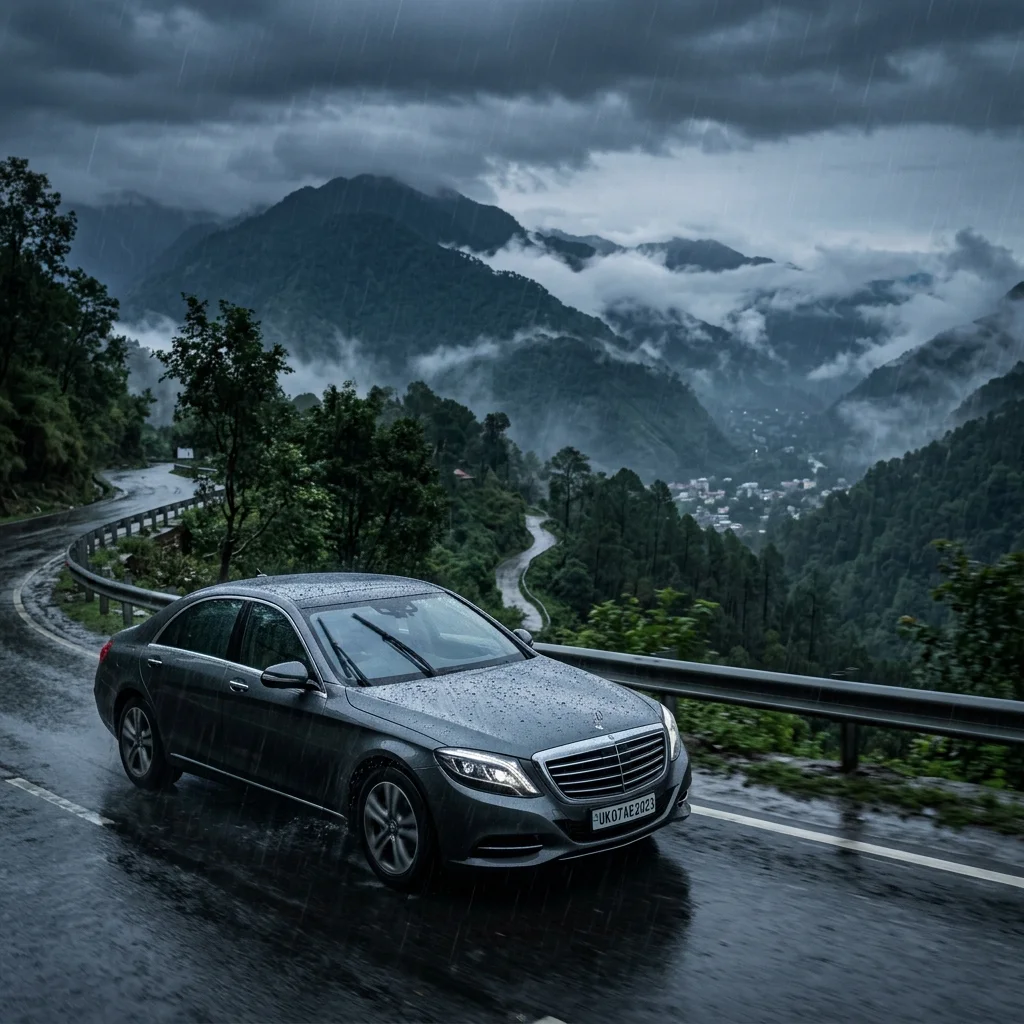
Let's be honest — most of us don't think about car care the moment the monsoon arrives. You're too busy navigating flooded roads, dealing with late trains, or just trying to keep your shoes dry. But while you're focused on getting through your commute, your car is quietly taking a beating. The rainwater, the mud, the humidity trapped inside a closed cabin for hours — it all adds up to damage that's expensive to fix and entirely avoidable.
This guide breaks down exactly what's happening to your car this monsoon season — and what you can do right now to stop it — specifically for residents of Delhi, Noida, Gurgaon, Faridabad, Ghaziabad, and Dehradun.
The monsoon in North India is nothing like the gentle summer rain you see in car commercials. Delhi NCR's rain carries dissolved sulphur dioxide and nitrogen oxides from millions of vehicles and industrial units. By the time those droplets hit your car's bonnet, they have a pH as low as 4.5 — roughly the acidity of black coffee. That's acid rain, and it's been quietly etching into your car's clear coat with every shower.
Then there's the road water. Waterlogged streets in Faridabad, Ghaziabad's Hindon River flooding zones, and Gurgaon's infamous underpasses collect a mixture of sewage, construction runoff, oil, and road chemicals. When your car drives through that — and splashes it up into the wheel arches and underbody — rust begins forming within days, not months.
For Dehradun, the threat is different but equally serious. Mountain roads bring red clay mud that sticks to brake components and muffler joints. Hailstorms can dent sheet metal and chip paint. And rapid temperature swings between daytime warmth and cool evenings create condensation inside the cabin, accelerating mould growth on fabric seats and carpets.
Every time it rains and the water dries on your car's surface, it leaves behind a concentrated deposit of the pollutants it carried. These water spots are not just cosmetic — they're acidic residue actively reacting with your clear coat. Leave it for a week, and you'll have permanent etch marks that require professional paint correction to fix. In Delhi and Noida, where air quality is notoriously poor, this process is accelerated significantly.
The underside of your car — the chassis rails, brake lines, suspension components, and exhaust — is coated from the factory, but that coating wears down over years of use. Monsoon waterlogging exposes these bare metal surfaces to prolonged moisture and road chemicals. Rust on brake lines is a safety hazard. Rust on the exhaust requires full replacement. In Faridabad and Ghaziabad, where roads often flood with industrial runoff, this damage accelerates faster than anywhere else in the NCR.
You get in the car with wet shoes. You leave the windows cracked and it rains in. The AC pulls in humid outside air. All of this creates the perfect environment for mould and mildew to grow in your car's carpets, under the seats, and inside the ventilation ducts. Once that musty smell sets in, a basic car freshener won't fix it — you need professional interior deep cleaning with steam to kill the bacteria and remove the spores.
Headlight plastic is UV-cured to a crystal-clear finish from the factory. Monsoon humidity — combined with temperature cycling and road spray — breaks down that UV coating faster than any other season. The result is cloudy, yellow headlights that reduce your night-time visibility by up to 70%. In a city like Gurgaon where many residents drive on DLF's poorly lit internal roads, this is a genuine safety issue.
Alloy wheels and brake dust mix with monsoon mud to form a stubborn compound that's far harder to remove than ordinary dust. Left uncleaned, it corrodes the alloy surface and eventually pits the spokes. If your car has silver or polished alloys, you'll notice the shine dulling within just a few weeks of monsoon neglect.
Not all monsoon car problems are the same. Where you live determines which type of damage hits your car hardest:
Extreme acid rain from industrial and vehicular pollution. Flooding near low-lying areas like Lajpat Nagar and Saket. Heavy traffic in standing water increases underbody spray exposure.
Construction site runoff on Expressway stretches coats underbodies with concrete-hardened mud. Sector 62 & 137 roads trap debris in wheel arches.
The Golf Course Road and Cyber City underpasses flood repeatedly. Saltwater from flooded basement parking corrodes alloys within days.
Yamuna river flooding in Neharpar and Surajkund areas. Industrial effluent in runoff water is particularly corrosive to underbody metal.
Hindon River overflow in Indirapuram and Vaishali zones. Raj Nagar Extension roads waterlog quickly, exposing cars to prolonged standing water.
Red clay mountain mud sticks aggressively to brake discs. Hail damage on sheet metal. Rapid humidity fluctuations breed cabin mould faster than NCR cities.
Here's the thing: most people know they should clean their car more often during monsoon. What stops them is the effort. Taking your car to a wash station in the rain, waiting in a queue, driving back through the same muddy roads — it defeats the purpose. That's exactly why doorstep car care is the smart choice during the monsoon season.
Carmaa's certified technicians come to your home or office parking with all the equipment needed to fully clean and protect your car. No driving in the rain. No wasted weekend mornings. Just book, and we handle the rest.
During the peak monsoon months of July and August, we recommend the following schedule:
If you haven't had a professional detailing service done yet this monsoon, the time is now. Every week without protection means more acid rain deposits and more humidity damage accumulating inside.
Carmaa serves all six active cities across Delhi NCR and Uttarakhand. Select your city below to see the services available in your area and book a doorstep appointment:
How often should I wash my car during monsoon season?
At a minimum, once a week — ideally after every heavy downpour. Delhi NCR rain carries dissolved pollutants that etch paint if left to dry on the surface. In Dehradun, mountain mud and organic debris need removing quickly to prevent corrosion. With Carmaa's doorstep service, weekly washes are effortless to schedule.
Does rainwater actually damage car paint?
Yes — especially in urban areas like Delhi, Noida, and Gurgaon. Rainwater absorbs sulphur dioxide and nitrogen oxides from vehicle and industrial exhaust, becoming mildly acidic (pH 4.5–5.5). When this acid rain dries on your car's paint, it leaves water spots and etches through the clear coat over time. A ceramic coating or regular professional wash removes these deposits before permanent damage sets in.
How do I prevent rust on my car's underbody during monsoon?
The most effective approach is a professional underbody wash followed by an anti-rust coating or underbody protection treatment. Avoid driving through deep waterlogged areas when possible. After each rain, rinse the wheel arches and lower panels to remove mud and grit that trap moisture against bare metal.
Is doorstep car wash effective during monsoon?
Absolutely. Carmaa's technicians use waterless or steam-based cleaning methods that are perfect for monsoon conditions — you don't need to drive anywhere. Steam cleaning is especially effective during monsoon as it kills mould, eliminates bacteria, and removes the musty smell that humidity causes inside the cabin.
Which Carmaa service is best for monsoon car protection?
For monsoon, we recommend: (1) Interior deep cleaning to eliminate moisture, mould, and odour; (2) Ceramic coating to protect paint from acid rain and water spots; and (3) Glass coating for dramatically improved visibility in heavy rain. All three are available at your doorstep across all our six active cities.
Related Blogs
Interior Car Cleaning
Ceramic Coating for Monsoon Protection
Monsoon Car Care Guide — Delhi NCR 2026
Glass Coating for Better Monsoon Visibility
Health Risks of a Dirty Car Interior


