Monsoon Car Care Guide for Delhi NCR 2026: Stop Rust, Acid Rain & Waterlogging
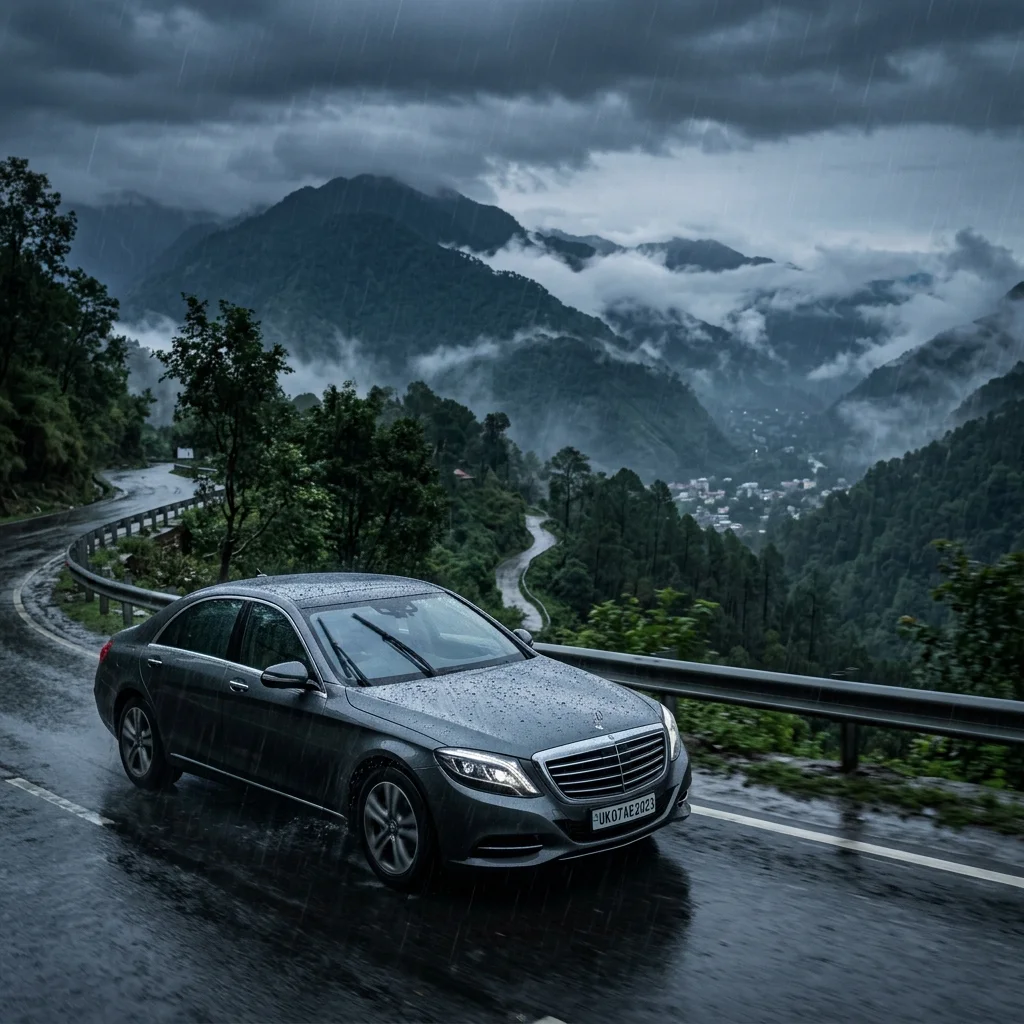
Every June, the Southwest monsoon rolls into the Indo-Gangetic plain and transforms Delhi NCR into one of the harshest environments a car can live through. What most car owners miss — even experienced ones — is that the monsoon does not just wet your car. It attacks it. Industrial pollutants dissolved in rain create a mild acid that silently etches your clear coat. Standing water hides the beginnings of severe undercarriage rust. Humid cabin air breeds mould spores that, once rooted, are almost impossible to fully remove without professional treatment. This guide walks through exactly what happens to your car during the monsoon and the precise steps to prevent it, based on what our technicians see on thousands of doorstep service calls across Delhi, Noida, Gurgaon, Faridabad, and Ghaziabad every rainy season.
The monsoon in Delhi NCR is not simply rain — it is rain that has passed through one of the most polluted air corridors in Asia. By the time a raindrop reaches your bonnet on the Noida Expressway or a Gurgaon sector road, it carries dissolved sulphur dioxide, nitrogen oxides, and particulate matter from vehicle exhausts, industrial zones, and construction sites. When this acidic water dries on your paint — as it does every time the sun briefly breaks through — it leaves behind concentrated mineral and chemical deposits. Over several weeks of this cycle, the damage accumulates: a dull haze in the clear coat, hard water etching that wax cannot remove, and eventually, paint oxidation that requires professional compound polishing to fix.
Combine this with potholed, waterlogged roads from areas like Dwarka, Mayur Vihar, and Sector 62 Noida, and the stress on your car's suspension, brakes, and underbody is compounded significantly during these three to four months.
The single most impactful thing you can do for your car before the monsoon is to apply a professional-grade protective coating. This is not about aesthetics — it is about creating a chemically inert barrier between your paint and the acidic environment it will be subjected to for the next four months. A quality ceramic coating bonds at the molecular level with your car's clear coat, creating a hydrophobic surface that causes rain, mud, and acidic deposits to bead up and roll off rather than sit and etch. If you want maximum protection specifically for high-pollution areas, our graphene coating goes a step further — graphene's unique molecular structure reduces heat absorption on the surface, which is the primary mechanism by which water spots form when sun breaks through the clouds after rain.
Our detailed comparison of both options is covered in our Graphene vs Ceramic Coating guide for Monsoon 2026, which breaks down exactly which coating is better suited to your parking and commuting conditions. The key takeaway: if you park outdoors in Delhi or Noida and your car faces direct rain exposure daily, graphene is worth the premium. If you have covered parking and lighter exposure, ceramic delivers exceptional value.
Here is the damage that nobody talks about until it is too late. Your car's undercarriage — the frame, exhaust pipes, brake lines, and wheel arches — takes the worst of every monsoon assault. Driving through even shallow flooded sections in areas like Tughlakabad, Sector 44 Gurgaon, or Vaishali flyunder roads in Ghaziabad sprays a continuous jet of contaminated, muddy water directly onto every metal surface underneath your car. Once the mud dries, it locks in moisture against the bare metal and begins the rust process from the inside out.
The minimum pre-monsoon action is a thorough high-pressure underbody flush to remove accumulated mud and debris from the dry season. After cleaning, an anti-rust underbody coating applied by a professional creates a rubberised barrier that prevents moisture contact. We have written a detailed post on protecting your car's underbody from monsoon rust that covers this in full — if your car is older than two years and has not had this treatment, this step alone can save you tens of thousands of rupees in structural repair costs over the car's lifetime.
The inside of your car becomes a humidity trap the moment monsoon hits. Wet shoes, damp clothing, and condensation from the AC system combine to raise interior moisture levels dramatically. If your car's cabin has even micro-tears in door seals, water infiltrates the footwell carpet, and within 72 hours in June temperatures, mould colonies are established. The smell is distinctive and deeply unpleasant — but the real problem is that mould embeds itself into foam seat padding, under-carpet jute matting, and the dashboard vents in ways that surface sprays cannot fully address.
The preventive approach is a professional car dry cleaning and interior sanitisation service before the monsoon begins, which eliminates existing spores and applies an antimicrobial treatment. During the monsoon, keep silica gel packets in the footwells, avoid leaving wet items in the car for extended periods, and ensure the AC is set to recirculate mode when driving through heavy rain to avoid drawing humid outside air into the cabin system. If a musty smell does develop, address it immediately — do not wait, because the longer mould sits, the deeper it penetrates.
The common misconception is that rain washes your car for you. It does the opposite. Monsoon rain in Delhi NCR deposits pollutants onto your surface rather than removing them. The practical answer to how often to wash your car in India during the rains is every four to five days during active monsoon weeks, and within 24 hours after any heavy rain-and-sun cycle where you can see dried watermarks or mud on the paint.
Critically, the wash method matters enormously. Bucket washing with abrasive cloths on dirty paint causes micro-scratches that make the surface even more susceptible to acid etching. A waterless wash using high-lubricity polymer sprays — the same technology used in Carmaa's doorstep car wash service in Delhi — encapsulates and lifts contaminants safely without dragging them across the paint surface. It is faster, safer for the paint, and does not require you to locate a water source during a season when outdoor washing spaces are often muddy and inconvenient.
If you get caught in a waterlogging situation — which is a near-certainty if you drive through Minto Bridge, Pul Prahladpur, or numerous other chronically flooding spots in Delhi NCR during heavy downpours — the actions you take in the next few hours determine whether you have a manageable inconvenience or a serious, costly repair job.
Rule one: do not attempt to start a car that has had water enter the engine bay above the air intake level. Forcing a running engine with water in the cylinders causes hydrolock — the piston tries to compress incompressible water, bending or snapping the connecting rod. This can destroy an engine instantly. Have the car towed to dry ground and inspected by a mechanic first. Rule two: if water has entered the cabin, open all doors and let it drain, then get a professional interior deep clean done the same day — do not leave wet carpets to sit overnight. Rule three: check your brake performance in a safe, dry area before returning to normal traffic after any significant waterlogging event, as water in the brakes causes temporarily reduced stopping power until they dry out.
Carmaa Car Care serves Delhi, Noida, Gurgaon, Faridabad, and Ghaziabad with professional doorstep detailing, protective coating application, and interior sanitisation — all at your home or office parking, without you having to drive anywhere. Our technicians bring all equipment and use only waterless, eco-certified polymers that are safe for coated and uncoated surfaces alike. If you want to review everything you should be doing in the weeks leading up to the monsoon, our pre-monsoon car care checklist for 2026 has the full step-by-step rundown.
At least once every four to five days during active monsoon weeks. Delhi NCR's rain carries industrial pollutants and acidic particles that etch into paint within 48–72 hours if left to dry on the surface. A quick waterless wash or foam rinse between rains is the safest approach.
Yes, significantly. A quality ceramic or graphene coating creates a chemically resistant hydrophobic barrier that causes acidic rainwater to bead and roll off before it can etch the clear coat. It does not make your car immune, but it dramatically reduces the damage from acid rain and hard water spots — and makes post-rain cleaning far quicker and safer.
Do not attempt to start the engine if water has reached the air intake or the cabin floor. Have the car towed to a dry location. Get the interior professionally steam-cleaned and sanitised immediately to prevent mould. Have the engine bay, brake lines, and electrical connectors inspected by a mechanic before driving again.
Yes, but do it correctly. A wash within a few hours of rain, before the rain deposits dry, is actually ideal because the contaminants are still suspended and easier to lift. Use a waterless wash spray or rinse with clean water — never use a bucket and rag on a dirty, wet surface as this drags abrasive particles across the paint.
Related Blogs
Graphene vs Ceramic Coating Monsoon 2026
Pre-Monsoon Checklist 2026
Protect Car Underbody From Monsoon Rust


