The Extreme: High Temperatures Affect Your Car Too
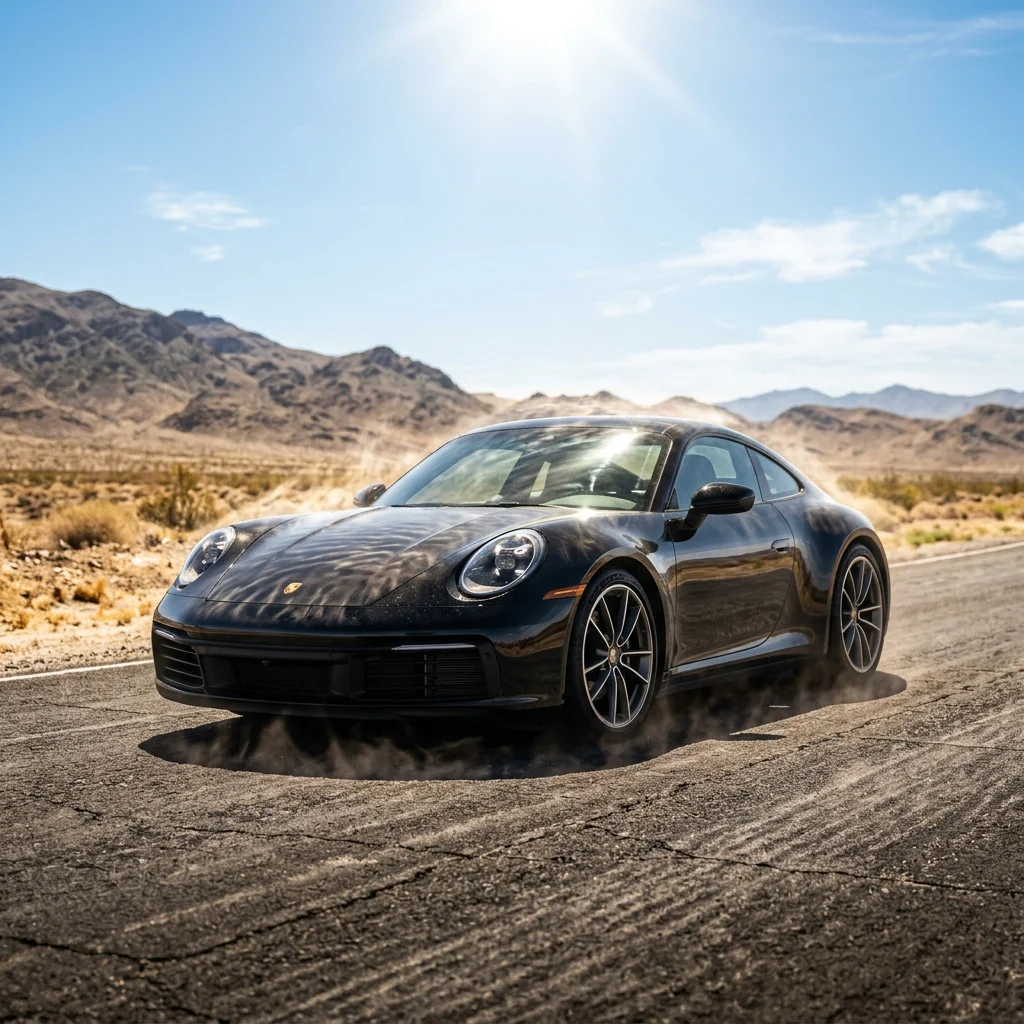
When the mercury rises and the pavement starts to shimmer, most of us reach for the AC and a cold bottle of water. We know how to keep ourselves cool, but have you stopped to think about what that scorching sun is doing to your car? Your vehicle might be made of steel and glass, but it's far from immune to the brutal Indian summer.
At Carmaa Car Care, we see the aftermath of heat damage every day—from faded paint to dead batteries. Understanding how extreme temperatures affect your car is the first step in protecting your investment.
The sun's ultraviolet (UV) rays are essentially a slow-motion wrecking ball for your car's exterior. Over time, UV radiation breaks down the chemical bonds in your car's clear coat. This leads to oxidation, which makes the paint look dull, chalky, and eventually causes it to peel. Red and black cars are particularly vulnerable, often turning into a sad shade of pink or grey if left unprotected.
Have you ever opened your car door and felt a blast of heat that literally took your breath away? On a 40°C day, the interior of a parked car can easily reach 60°C or higher. This intense heat causes dashboard plastics to dry out and crack, leather seats to become brittle, and even the adhesives holding your headliner in place to fail.
Many people think winter is the hardest season on batteries, but heat is actually the real culprit. High temperatures accelerate the chemical reactions inside the battery, leading to internal corrosion and fluid evaporation. A battery that's already weak will likely give up the ghost during a particularly nasty heatwave.
Heat causes the air inside your tires to expand. If your tires are already at their limit, the extra pressure combined with the friction of driving on hot asphalt can lead to a blowout. Additionally, the rubber itself degrades faster in high heat, leading to "dry rot" and cracks in the sidewalls.
1. How can I protect my car's paint from the sun?
The best way to shield your paint is by applying a high-quality wax, sealant, or ceramic coating. These act as a sacrificial layer that absorbs UV rays before they reach your clear coat. Regular washing with pH-neutral soap also helps remove contaminants that can worsen sun damage.
2. Does parking in the shade really help?
Yes, absolutely! Parking in the shade or using a covered parking spot can reduce the temperature of your car's surface by up to 20°C. If shade isn't available, using a high-quality windshield sunshade is a great alternative to protect your interior.
3. Why is my AC taking so long to cool down?
In extreme heat, your AC has to work much harder. If it's struggling, you might have low refrigerant levels or a dirty cabin air filter. We recommend a professional AC check-up at the start of every summer to ensure peak performance.
Don't let the summer heat destroy your car's beauty and reliability. Stay proactive, and your car will keep you cool and safe all season long.
Give your car the care it deserves without leaving your home. Book our signature doorstep car wash today. Let our experts handle it at your doorstep.
Related Blogs
Sun Damage Protection Guide
Seasonal Care Myths Busted


