Essential Car Care Fluids Checklist: What to Check & When
We all know cars run on fuel, but beneath the hood lies a complex network of "lifeblood" fluids that keep your vehicle moving, braking, and steering smoothly. Without regular checks, low or dirty fluids can lead to thousands of dollars in mechanical repairs. Here’s a human-friendly checklist of the essential fluids you absolutely need to monitor.
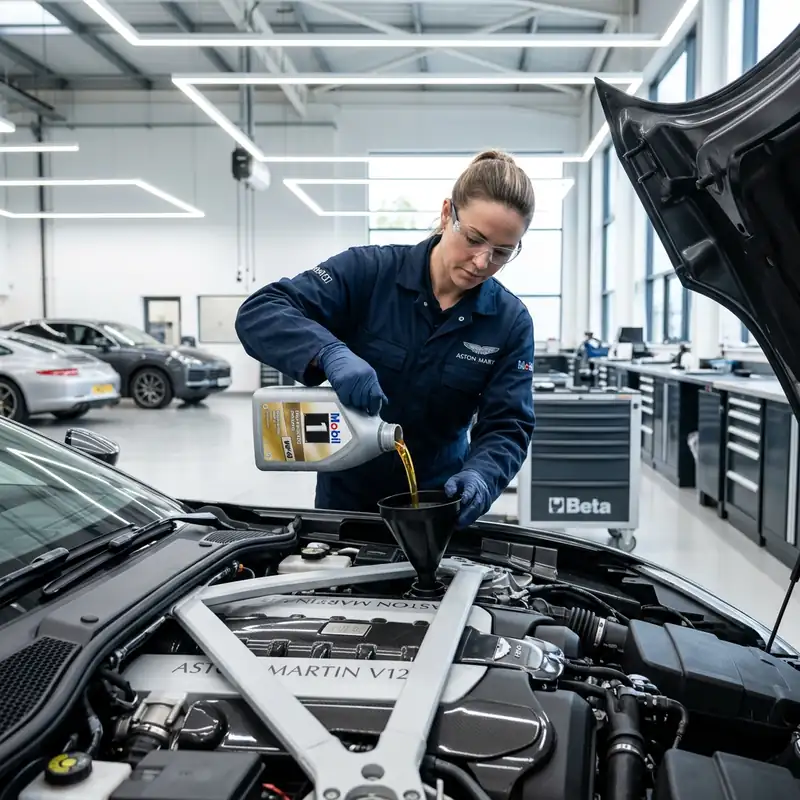
Think of motor oil as your car’s actual blood. It lubricates the heavy, fast-moving metal parts inside the engine, preventing friction, overheating, and catastrophic wear.
How to check it: Pull out the dipstick, wipe it clean with a rag, dip it back in, and pull it out again. The oil should be between the minimum and maximum lines. If it's pitch black and gritty, it’s time for an oil change!
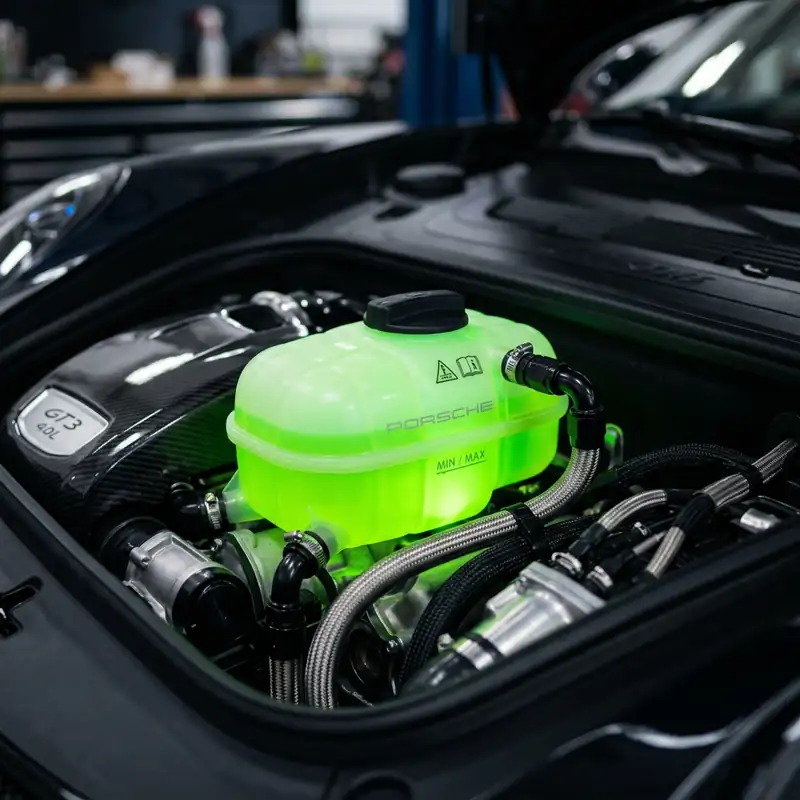
Coolant (also known as antifreeze) does exactly what its name implies: it keeps your engine from literally melting under pressure. If you run out of coolant, your engine will overheat in minutes.
How to check it: Locate the translucent plastic coolant reservoir under the hood (never open the radiator cap when the engine is hot!). Make sure the fluid level rests between the "Low" and "High" markings on the side of the tank.
Transmission fluid lubricates the complex gears inside your car, allowing for seamless shifting between speeds. If your car hesitates or jerks when shifting gears, you might have low or burnt fluid.
How to check it: Similar to engine oil, many cars have a transmission dipstick. While the engine is running (and warm), check the level. The fluid should ideally be a bright, healthy red. If it smells burnt or is dark brown, have a mechanic inspect it immediately.
Ever tried steering a car with the engine off? It’s incredibly heavy. Power steering fluid is the magic hydraulic liquid that makes turning the steering wheel effortless.
How to check it: Find the power steering reservoir (often labeled with a steering wheel icon). Simply look at the side of the container to ensure the fluid is within the marked lines. If your steering wheel whines or groans when you turn, top this up!
When you step on the brake pedal, brake fluid is the hydraulic force that clamps the brake pads onto the wheels. If this fluid gets too low or contaminated with moisture, your brakes will feel "spongy" and unsafe.
How to check it: The brake fluid reservoir is typically located toward the back of the engine bay on the driver's side. The container is clear, so you can easily see if the fluid is near the "MAX" line. If it’s running low, you may have worn brake pads or a leak.
Especially crucial during scorching Indian summers, your AC refrigerant is what keeps the cabin ice cold.
How to check it: This one isn't easy to check visually. If your AC is blowing warm air or isn’t as icy as it used to be, it’s time to take it to a professional for an AC gas top-up or system check.
Checking these six essential fluids once a month takes less than five minutes but can save your engine and transmission from premature death. Make it a habit to pop the hood on a Sunday morning—your car will thank you for it!
Need your car to look as good on the outside as it runs on the inside? While you handle the fluids, let Carmaa Car Care handle the exterior shine with our Premium Doorstep Car Detailing services!
Related Blogs
Interior Car Cleaning
Doorstep Steam Wash
The Future Of Car Maintenance With Doorstep Services


