12 Car Basics You Should Never Ignore

We demand a lot from our vehicles. Day in and day out, they navigate traffic, withstand extreme weather, and keep us safe. Yet, it’s remarkably easy to take them for granted until a dashboard light begins flashing or a strange noise erupts from the hood. Whether you're a seasoned driver or a new owner, keeping an eye on these 12 fundamental car basics can save you from costly breakdowns and ensure your vehicle stays reliable for years.
Engine oil reduces friction between the fast-moving metal parts inside your engine. Neglecting it leads to severe engine wear and overheating. Make a habit of checking your oil levels via the dipstick monthly, and always adhere to the mileage-based oil change intervals recommended by your manufacturer.
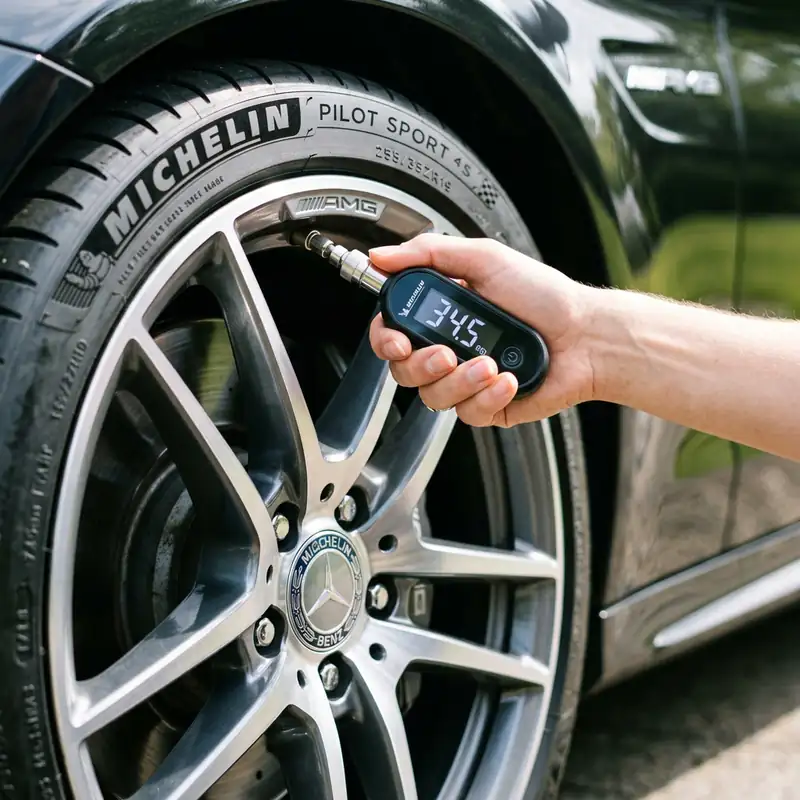
Driving on under-inflated tires severely compromises your grip on the road, increasing braking distance and your chances of a blowout. Plus, it drastically reduces your fuel efficiency! Keep a pressure gauge in your glovebox and check your tires (including the spare!) at least once a month.
Squeaking, grinding, or a "spongy" brake pedal are massive red flags. Your brakes are your ultimate safety mechanism. If you notice any changes in braking performance or hear unusual noises, do not delay—get your brake pads and rotors inspected immediately.
The radiator coolant keeps your engine from literally cooking itself from the inside out. Ensure the coolant reservoir is filled to the appropriate line, especially before the intense heat of the summer months.
If your car hesitates to start or the headlights seem dimmer than usual, your battery might be nearing the end of its life (typically 3–5 years). Keep the terminals clean and free of white, powdery corrosion to ensure a strong electrical connection.
That little "Check Engine" light isn't a suggestion; it's a cry for help. Modern cars are equipped with highly sensitive sensors. Whether it's the oil pressure light, battery light, or ABS warning, ignoring these indicators usually leads to much more expensive repairs later on.
Aggressive driving—such as sudden acceleration and hard braking—puts unnecessary strain on your engine, transmission, and brakes. Driving smoothly not only extends the mechanical life of your car but also significantly improves your gas mileage.
Your engine needs to breathe clean air to burn fuel efficiently. A clogged air filter restricts airflow, suffocating the engine, decreasing performance, and lowering your fuel economy. Check it during every oil change.
Running your car on fumes forces the fuel pump to draw from the very bottom of the tank, where sediment and debris naturally settle. This can clog fuel filters and burn out the fuel pump, which relies on the surrounding fuel to stay cool.
If your steering wheel is straight but your car is drifting to one side, your alignment is off. Poor alignment will unevenly shred your tire tread in a matter of months and strain your suspension system.
Visibility is critical. A dusty windshield paired with sudden rain can temporarily blind you. Always keep your wiper fluid reservoir topped up with a proper cleaning solution (not just plain water) to quickly clear away grime and bug splatters.
Make a habit of glancing at the ground where you usually park. Green or orange spots indicate a coolant leak, red spots mean transmission or power steering fluid, and black spots are engine oil. If your car is marking its territory, it needs a mechanic's attention.
Being proactive with these 12 basics transforms you from a reactive driver into a responsible car owner. While you ensure the mechanics are sound, let Carmaa Car Care ensure your vehicle looks spectacular. From intensive interior sanitization to exterior ceramic coatings, book our Doorstep Car Care Services today!
Related Blogs
Interior Car Cleaning
Doorstep Steam Wash
The Future Of Car Maintenance With Doorstep Services


